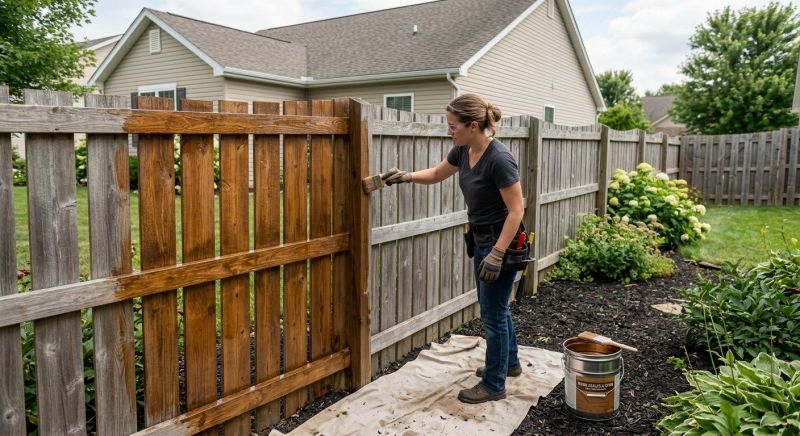
Fence Sealing in Seattle, WA
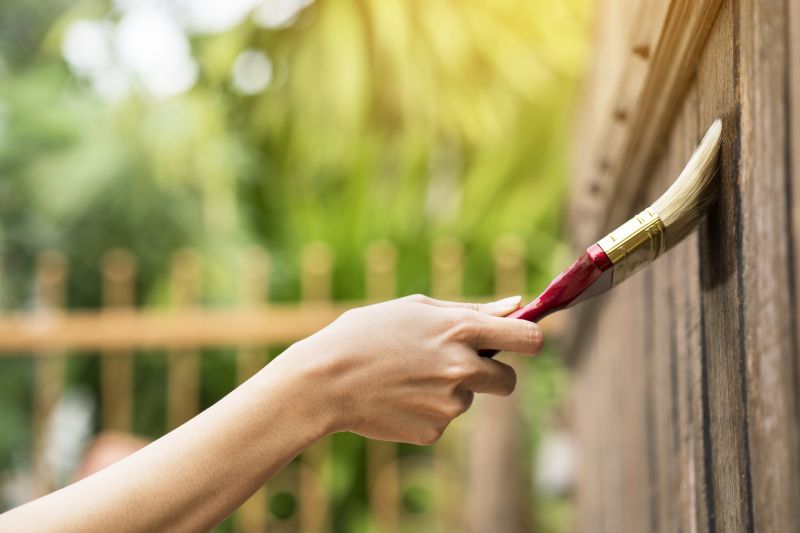
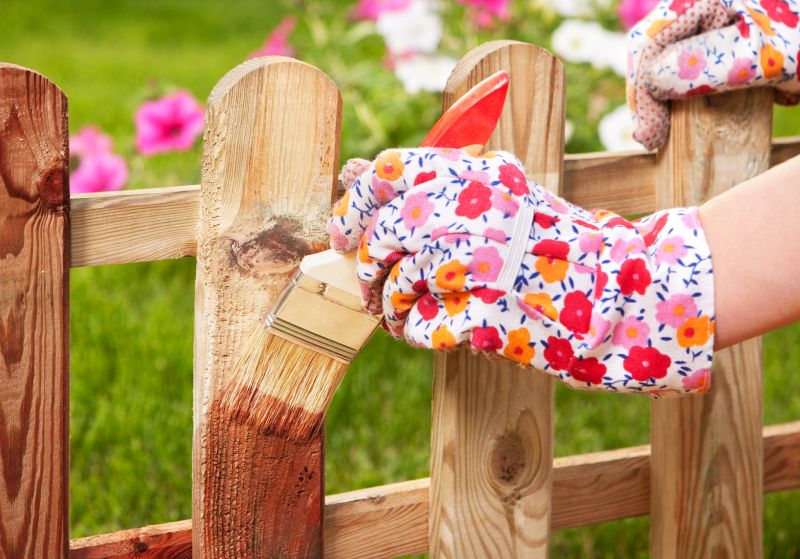
Fence sealing services involve applying protective treatments to outdoor fences to prevent damage from moisture, UV rays, and general weathering. This process is suitable for various types of fences, including wood, vinyl, and composite materials, and is often requested for projects aiming to extend the lifespan and appearance of fencing structures. Property owners typically want to understand the benefits of sealing, such as increased durability, reduced maintenance needs, and enhanced curb appeal, before requesting service.
Before requesting fence sealing, property owners should consider the current condition of their fence, including any existing damage or signs of wear. It’s important to identify the type of fencing material to select the most appropriate sealing product and procedure. Additionally, understanding the recommended frequency for sealing and any preparation steps needed prior to application can help ensure the best results and a longer-lasting protective barrier.
Many property owners in Seattle, WA look into Fence Sealing for repairs, replacements, upgrades, and appearance-related improvements.
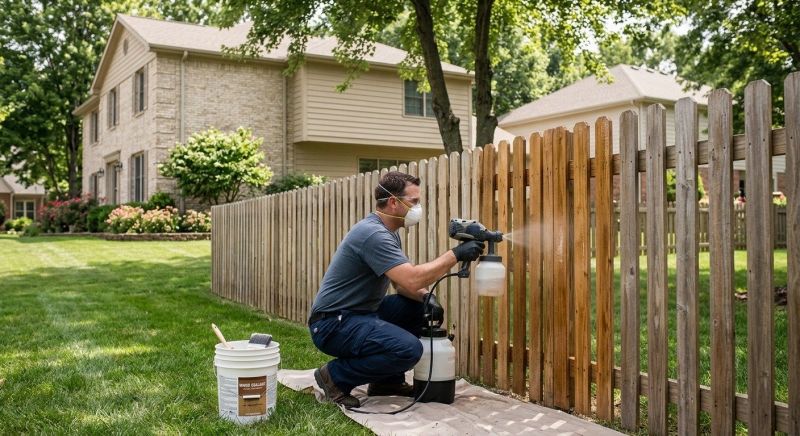
Protecting Your Fence
Sealing helps prevent damage from moisture and uv exposure, extending the life of your fence in seattle's climate.
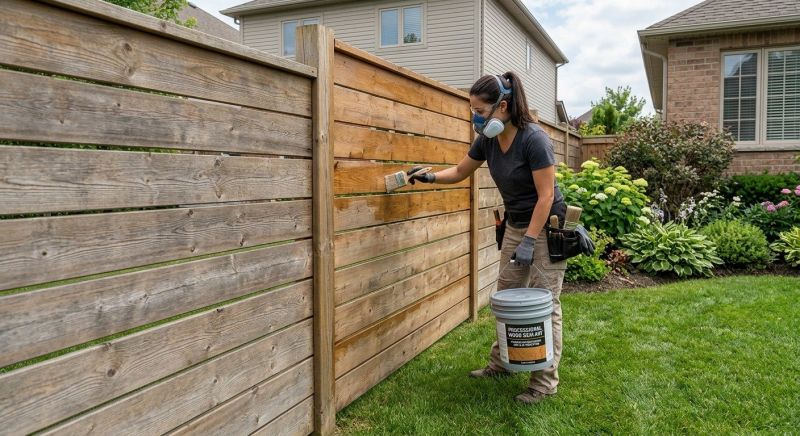
Enhancing Fence Appearance
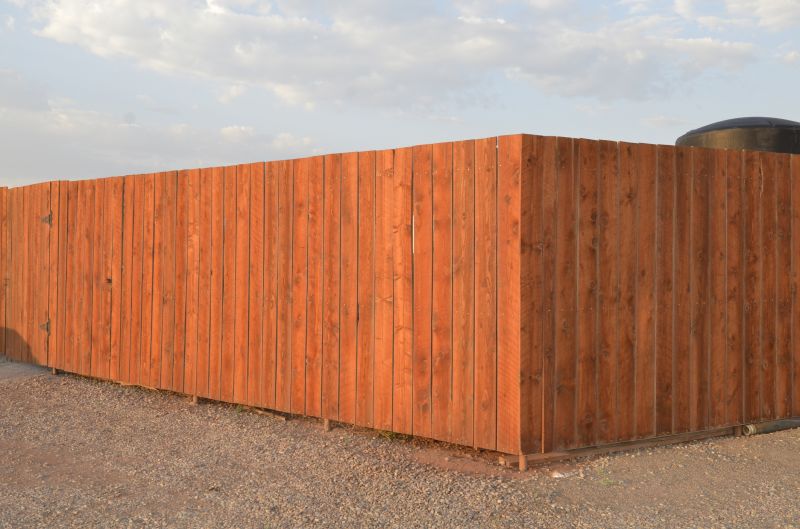
A well-sealed fence maintains its color and appearance, reducing stains and weathering over time.
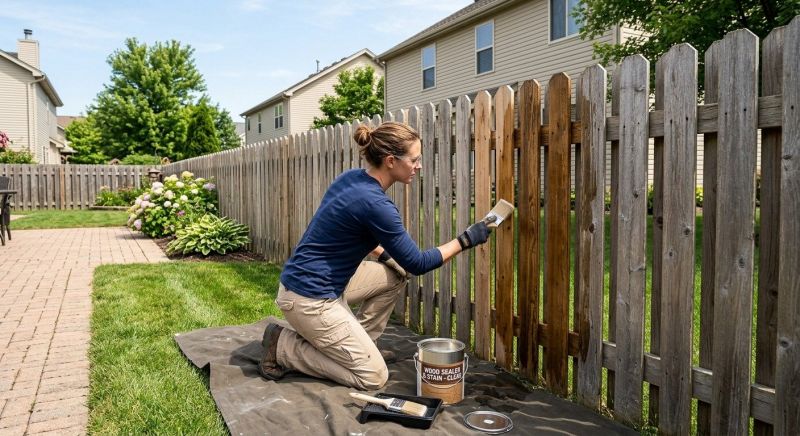
Maintaining Property Value
Proper fence sealing preserves the structural integrity and curb appeal of your property in the seattle area.
Fence Sealing in Seattle, WA

Fence sealing services involve applying protective treatments to outdoor fences to prevent damage from moisture, UV rays, and general weathering. This process is suitable for various types of fences, including wood, vinyl, and composite materials, and is often requested for projects aiming to extend the lifespan and appearance of fencing structures. Property owners typically want to understand the benefits of sealing, such as increased durability, reduced maintenance needs, and enhanced curb appeal, before requesting service.
Before requesting fence sealing, property owners should consider the current condition of their fence, including any existing damage or signs of wear. It’s important to identify the type of fencing material to select the most appropriate sealing product and procedure. Additionally, understanding the recommended frequency for sealing and any preparation steps needed prior to application can help ensure the best results and a longer-lasting protective barrier.
Many property owners in Seattle, WA look into Fence Sealing for repairs, replacements, upgrades, and appearance-related improvements.
Common Fence Sealing Jobs
Wood fence sealing - Protects wooden fences from moisture and weather damage to extend their lifespan.
Vinyl fence sealing - Helps prevent cracking and fading, maintaining the appearance of vinyl fences.
Chain-link fence sealing - Reduces rust and corrosion on metal fences exposed to the elements.
Privacy fence sealing - Shields privacy fences from moisture intrusion and UV damage.
Picket fence sealing - Preserves the integrity and aesthetic of picket fences over time.
Fence post sealing - Seals fence posts to prevent rot and improve stability in outdoor conditions.
Fence Sealing Questions
What is fence sealing? Fence sealing involves applying a protective coating to help prevent damage from moisture, UV rays, and other environmental factors.
Which types of fences benefit from sealing? Wooden fences, especially those made of cedar or pine, are most commonly sealed to extend their lifespan and maintain appearance.
How often should a fence be sealed? Typically, fences should be resealed every 1 to 3 years, depending on the climate and fence material.
What are the advantages of sealing a fence? Sealing helps protect against rot, warping, and fading, keeping the fence looking good and lasting longer.
Request Fence Sealing in Seattle, WA
Use the quote form on this page to share the basics of your project and request more information for the type of work you need.